Buy sportsincanada.com ?
We are moving the project
sportsincanada.com .
Are you interested in purchasing the domain
sportsincanada.com ?
domain@kv-gmbh.de · 0541-91531010
Buy sportsincanada.com ?
What is the possessive pronoun in Spanish?
The possessive pronoun in Spanish is a word that indicates ownership or possession. It agrees in gender and number with the noun it is referring to. Examples of possessive pronouns in Spanish include "mi" (my), "tu" (your), "su" (his/her/its/your formal), "nuestro/a" (our), and "vuestro/a" (your plural). **
What is a possessive pronoun in English?
A possessive pronoun in English is a pronoun that shows ownership or possession. Examples of possessive pronouns include "mine," "yours," "his," "hers," "ours," and "theirs." These pronouns are used to indicate that something belongs to a specific person or group. Possessive pronouns can stand alone or be used before a noun to show ownership. **

Similar search terms for Possessive pronoun
Top-Angebote
Products related to Possessive pronoun:
-
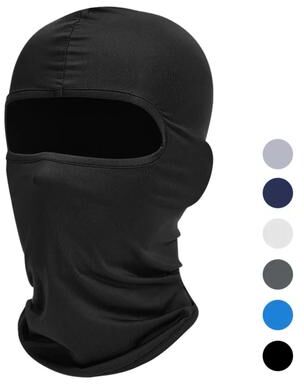
The Handy Homestead Breathable Full Face Balaclava Mask For Cycling Hiking Skiing And Airsoft Breathable Full Face Balaclava Mask For Cycling Hiking Skiing And AirsoftStay covered, cool, and comfortable wherever the trail takes you. This breathable balaclava is a lightweight full face mask designed for cyclists, hikers, campers, hunters, riders, and airsoft players who need flexible protection without bulky gear....29,97 $*Shipping: 0,00 $Secure redirect to the provider
-
Perfect Picks Market GTUBIKE Winter Cycling Mask Thermal Face Cover For Skiing, Running & Outdoor Sports GTUBIKE Winter Cycling Mask Thermal Face Cover For Skiing, Running & Outdoor SportsCold air, harsh wind, and freezing rides shouldnt stop your adventure. This winter cycling mask is designed to keep your face, ears, and neck comfortably warm during outdoor activities in cold weather. Made for cyclists, skiers, runners, and...31,97 $*Shipping: 0,00 $Secure redirect to the provider
-
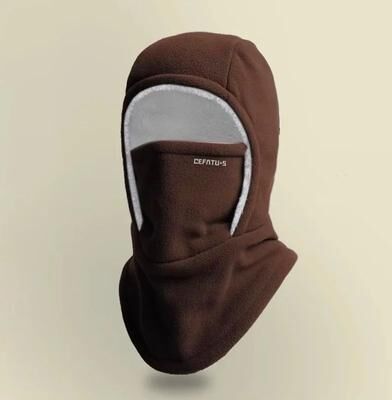
Inspired Living Thermal Windproof Balaclava Mask For Cycling, Skiing & Motorcycle Riding coffeeCold winds shouldnt stop your adventure. This winter balaclava mask is designed for riders, skiers, and outdoor enthusiasts who demand warmth without bulk. Made with soft fleece lining and a snug fullface fit, it shields you from biting wind while...26,97 $*Shipping: 0,00 $Secure redirect to the provider
-
Perfect Picks Market Windproof Winter Cycling Mask For Motorcycle, Skiing & Hiking Warm, Breathable Face Shield Unisex Windproof Winter Cycling Mask For Motorcycle, Skiing & Hiking Warm, Breathable Face Shield UnisexStay warm and protected this winter with our windproof winter cycling mask. Designed for outdoor enthusiasts, this mask offers exceptional comfort and breathability, making it perfect for a variety of activities such as cycling, skiing, and hiking....29,97 $*Shipping: 0,00 $Secure redirect to the provider


-
What is the difference between a possessive pronoun and a possessive adjective?
A possessive pronoun replaces a noun and shows ownership or possession, such as "mine," "yours," "his," "hers," "ours," and "theirs." On the other hand, a possessive adjective modifies a noun to show ownership or possession, such as "my," "your," "his," "her," "our," and "their." In essence, possessive pronouns stand alone, while possessive adjectives are used before a noun to describe who owns or possesses it. **
-
What is the difference between a personal pronoun and a possessive pronoun?
A personal pronoun is used to replace a noun and refers to a specific person or thing, such as "he," "she," or "they." On the other hand, a possessive pronoun shows ownership or possession, such as "his," "her," or "their." Personal pronouns indicate who is performing the action in a sentence, while possessive pronouns indicate who owns or possesses something. **
-
What is the possessive pronoun for the 3rd person singular in Norwegian?
The possessive pronoun for the 3rd person singular in Norwegian is "hans" for masculine gender and "hennes" for feminine gender. These pronouns are used to show possession or ownership of something by a singular third person. For example, "hans bil" means "his car" and "hennes bok" means "her book". **
-
In French, do you use an apostrophe with the interrogative pronoun "quelle" and the possessive determiner "ma"?
Yes, in French, you use an apostrophe with the interrogative pronoun "quelle" and the possessive determiner "ma" when they are followed by a word starting with a vowel or a silent "h". For example, "quelle est ton adresse?" (What is your address?) and "ma amie" (my friend). **


Is the friend possessive?
Yes, the friend is possessive. This is evident from the fact that they are trying to control the narrator's actions and decisions, as well as expressing jealousy and possessiveness over the narrator's other relationships. The friend's possessive behavior is unhealthy and can be damaging to the narrator's well-being and independence. It is important for the narrator to set boundaries and communicate their needs in order to maintain a healthy friendship. **
What does possessive mean?
Possessive refers to showing ownership or control over something. It is used to indicate that something belongs to or is associated with a particular person or thing. In grammar, possessive forms are used to show that a noun belongs to someone or something. **
Top-Angebote
Products related to Possessive pronoun:
-
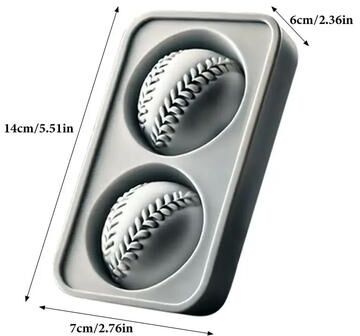
Inspired Living Hockey & Baseball Silicone Ice Mold Set For Cocktails Hockey Puck Ice Mold + Baseball Ice Cube Tray 2 GridsMake every sip feel like an occasion. This hockey puck ice mold and baseball set creates bold, slowmelting ice shapes that instantly upgrade whiskey, iced coffee, or party drinks. Designed for sports fans, home bartenders, and hosts who love...54,97 $*Shipping: 0,00 $Secure redirect to the provider
-
Friendly Fresh Finds Antifreeze Mask For Winter Cycling, Skiing And Running Cold Weather Gear Antifreeze Mask For Winter Cycling, Skiing And Running Cold Weather GearStay Warm and Protected with the Ultimate Winter Cycling Antifreeze Mask When the temperatures drop, don't let the cold weather stop you from enjoying your favorite outdoor activities. The Winter Cycling Antifreeze Mask is designed to keep you warm...27,97 $*Shipping: 0,00 $Secure redirect to the provider
-
The Handy Homestead Breathable Full Face Balaclava Mask For Cycling Hiking Skiing And Airsoft Breathable Full Face Balaclava Mask For Cycling Hiking Skiing And AirsoftStay covered, cool, and comfortable wherever the trail takes you. This breathable balaclava is a lightweight full face mask designed for cyclists, hikers, campers, hunters, riders, and airsoft players who need flexible protection without bulky gear....29,97 $*Shipping: 0,00 $Secure redirect to the provider
-
Perfect Picks Market GTUBIKE Winter Cycling Mask Thermal Face Cover For Skiing, Running & Outdoor Sports GTUBIKE Winter Cycling Mask Thermal Face Cover For Skiing, Running & Outdoor SportsCold air, harsh wind, and freezing rides shouldnt stop your adventure. This winter cycling mask is designed to keep your face, ears, and neck comfortably warm during outdoor activities in cold weather. Made for cyclists, skiers, runners, and...31,97 $*Shipping: 0,00 $Secure redirect to the provider
-
What is the possessive pronoun in Spanish?
The possessive pronoun in Spanish is a word that indicates ownership or possession. It agrees in gender and number with the noun it is referring to. Examples of possessive pronouns in Spanish include "mi" (my), "tu" (your), "su" (his/her/its/your formal), "nuestro/a" (our), and "vuestro/a" (your plural). **
-
What is a possessive pronoun in English?
A possessive pronoun in English is a pronoun that shows ownership or possession. Examples of possessive pronouns include "mine," "yours," "his," "hers," "ours," and "theirs." These pronouns are used to indicate that something belongs to a specific person or group. Possessive pronouns can stand alone or be used before a noun to show ownership. **
-
What is the difference between a possessive pronoun and a possessive adjective?
A possessive pronoun replaces a noun and shows ownership or possession, such as "mine," "yours," "his," "hers," "ours," and "theirs." On the other hand, a possessive adjective modifies a noun to show ownership or possession, such as "my," "your," "his," "her," "our," and "their." In essence, possessive pronouns stand alone, while possessive adjectives are used before a noun to describe who owns or possesses it. **
-
What is the difference between a personal pronoun and a possessive pronoun?
A personal pronoun is used to replace a noun and refers to a specific person or thing, such as "he," "she," or "they." On the other hand, a possessive pronoun shows ownership or possession, such as "his," "her," or "their." Personal pronouns indicate who is performing the action in a sentence, while possessive pronouns indicate who owns or possesses something. **
Similar search terms for Possessive pronoun
-
Inspired Living Thermal Windproof Balaclava Mask For Cycling, Skiing & Motorcycle Riding coffeeCold winds shouldnt stop your adventure. This winter balaclava mask is designed for riders, skiers, and outdoor enthusiasts who demand warmth without bulk. Made with soft fleece lining and a snug fullface fit, it shields you from biting wind while...26,97 $*Shipping: 0,00 $Secure redirect to the provider
-
Perfect Picks Market Windproof Winter Cycling Mask For Motorcycle, Skiing & Hiking Warm, Breathable Face Shield Unisex Windproof Winter Cycling Mask For Motorcycle, Skiing & Hiking Warm, Breathable Face Shield UnisexStay warm and protected this winter with our windproof winter cycling mask. Designed for outdoor enthusiasts, this mask offers exceptional comfort and breathability, making it perfect for a variety of activities such as cycling, skiing, and hiking....29,97 $*Shipping: 0,00 $Secure redirect to the provider
-
USA Free Shipping Shop Windproof Winter Face Mask Thermal Ski Mask For Cycling, Skiing & Cold Weather Protection Windproof Winter Face Mask Thermal Ski Mask For Cycling, Skiing & Cold Weather ProtectionStay warm and comfortable no matter how harsh the weather gets with this Winter face mask designed for outdoor adventures and daily commutes. Built for cyclists, skiers, runners, hikers, and anyone who spends time outdoors, it provides reliable...37,97 $*Shipping: 0,00 $Secure redirect to the provider
-
Inspired Living Hockey & Baseball Silicone Ice Mold Set For Cocktails Hockey Puck Ice Mold + Baseball Ice Cube Tray 4 GridsMake every sip feel like an occasion. This hockey puck ice mold and baseball set creates bold, slowmelting ice shapes that instantly upgrade whiskey, iced coffee, or party drinks. Designed for sports fans, home bartenders, and hosts who love...54,97 $*Shipping: 0,00 $Secure redirect to the provider
-
What is the possessive pronoun for the 3rd person singular in Norwegian?
The possessive pronoun for the 3rd person singular in Norwegian is "hans" for masculine gender and "hennes" for feminine gender. These pronouns are used to show possession or ownership of something by a singular third person. For example, "hans bil" means "his car" and "hennes bok" means "her book". **
-
In French, do you use an apostrophe with the interrogative pronoun "quelle" and the possessive determiner "ma"?
Yes, in French, you use an apostrophe with the interrogative pronoun "quelle" and the possessive determiner "ma" when they are followed by a word starting with a vowel or a silent "h". For example, "quelle est ton adresse?" (What is your address?) and "ma amie" (my friend). **
-
Is the friend possessive?
Yes, the friend is possessive. This is evident from the fact that they are trying to control the narrator's actions and decisions, as well as expressing jealousy and possessiveness over the narrator's other relationships. The friend's possessive behavior is unhealthy and can be damaging to the narrator's well-being and independence. It is important for the narrator to set boundaries and communicate their needs in order to maintain a healthy friendship. **
-
What does possessive mean?
Possessive refers to showing ownership or control over something. It is used to indicate that something belongs to or is associated with a particular person or thing. In grammar, possessive forms are used to show that a noun belongs to someone or something. **
* All prices are inclusive of VAT and, if applicable, plus shipping costs. The offer information is based on the details provided by the respective shop and is updated through automated processes. Real-time updates do not occur, so deviations can occur in individual cases. ** Note: Parts of this content were created by AI.